Hydraulic components need protection!
Second Quarter 2007
Hydraulic systems & components
Fluid power circuits are designed in all shapes and sizes, both simple and complex in design, and they all need protection from damaging contamination. Abrasive particles enter the system and, if unfiltered, damage sensitive components like pumps, valves and motors.
It is the job of the hydraulic filter to remove these particles from the oil flow to help prevent premature component wear and system failure. As the sophistication of hydraulic systems increases, the need for reliable filtration protection becomes even more critical.
How contamination damages precision parts
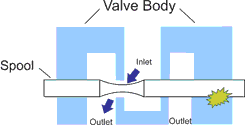
The cutaway view in Figure 1 is of a simple hydraulic valve and illustrates how particles damage components. In normal operation, the spool slides back and forth in the valve body, diverting oil to one side of the valve or the other. If a particle lodges between the spool and valve body, it will erode small flakes from the metal surfaces. As these flakes are moved back and forth by the action of the spool, they can roll into a burr that jams the spool and disables the valve.
Figure 1. Spool valve cutaway view
Types of contaminant
Many different types of contamination may be present in hydraulic fluid, causing various problems. These include:
* Particulate (dust, dirt, sand, rust, fibres, elastomers, paint chips).
* Wear metals, silicon, and excessive additives (aluminium, chromium copper, iron, lead, tin, silicon, sodium, zinc, barium, phosphorus).
* Water.
* Sealant (Teflon tape, pastes).
* Sludge, oxidation, and other corrosion products.
* Acids and other chemicals.
* Biological, microbes (in high water-based fluids).
Typical factors in component life
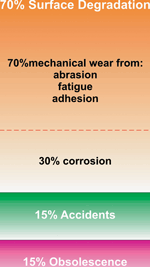
Studies show that most (typically 70%) of hydraulic component replacement is necessary because of surface degradation, and most of that is due to mechanical wear. Proper filtration of hydraulic fluids can lengthen component life.
Figure 3. Causes of hydraulic component failure.
Donaldson is a leading worldwide provider of air and liquid filtration systems and replacement parts. The company is technology-driven and works to satisfy customers' needs for diesel engine equipment and industrial filtration solutions through innovative research and development and global presence.
For more information contact Donaldson Filtration Systems, +27 (0)11 997 6000, [email protected], www.donaldson.co.za
Further reading:
From question to innovation
Axiom Hydraulics
Hydraulic systems & components
A field question sparked the journey toward a safer solution. When a simple inquiry, “What about the Hilux?”, posed a challenge, it ignited the innovative spirit at Axiom Hydraulics.
Read more...
The ultimate asset protection
CT Hydraulics (Nqoba)
Hydraulic systems & components
Prioritising the prevention of hydraulic fluid contamination is the single most effective way to eliminate the presence of microscopic debris introduced during hose assembly, repairs, or maintenance.
Read more...
Axial piston pump series for next-gen hydraulic applications
Hydraulic systems & components
Moog has launched its new AXP Axial Piston Pump Series, a next-generation hydraulic solution engineered to deliver optimal performance, reliability and cost efficiency for industrial applications.
Read more...
Identifying signs of hydraulic cylinder wear and tear
CT Hydraulics (Nqoba)
Hydraulic systems & components
Recognising the early warning signs of hydraulic cylinder degradation is crucial for preventing costly downtime, ensuring operator safety and maximising the lifespan of your hydraulic systems.
Read more...
How laser cladding delivers 33% more life and maximum ROI in hydraulic cylinders
Hydraulic systems & components
By utilising advanced laser cladding, Honingcraft can help clients achieve a 33% longer life from their components, ensuring they secure the maximum return on their investment.
Read more...
Filtration as a reliability driver in motion control systems
Parker Hannifin - Sales Company South Africa
Hydraulic systems & components
This article highlights the importance of filtration in motion control systems, how contamination affects performance, and what fleet managers, operators and maintenance teams in southern Africa can do to reduce downtime, avoidable wear and costly repairs, aided by Baldwin Filters.
Read more...
Tuning into what your system is telling you
Hydrasales
Hydraulic systems & components
Hydraulic presses can run like clockwork, but often it’s the things you don’t see, or hear, that carry the most telling signs of irregular system health.
Read more...
A guide to common hydraulic system contaminants
CT Hydraulics (Nqoba)
Editor's Choice Hydraulic systems & components
Every engineer, machine designer and maintenance professional understands that the heart of any reliable hydraulic system is its fluid. But the moment that fluid is compromised, your system’s life expectancy and your peace of mind drop dramatically.
Read more...
Making lines safer with smarter connection
Hydrasales
Hydraulic systems & components
Imagine connecting multiple hydraulic lines or a combination of hydraulic, electrical and grease lines with one single, confident movement. That’s the everyday convenience operators get from Faster’s MultiFaster multi-coupling systems.
Read more...
Hydraulic system upgrades to boost performance and save money
CT Hydraulics (Nqoba)
Hydraulic systems & components
Those working with hydraulic or pneumatic systems know that keeping your machinery running at peak performance balances productivity and cost. As systems age, they often become less efficient, requiring more energy and more frequent repairs. The good news is that you don’t always need to invest in an entirely new machine to solve these problems.
Read more...









 printer friendly version